Time: 2026-02-11 | Category: Industry News | Visits: 52
Reporters: Zhao Juecheng, Yuan Jirong, Ren Zhong, Li Hao
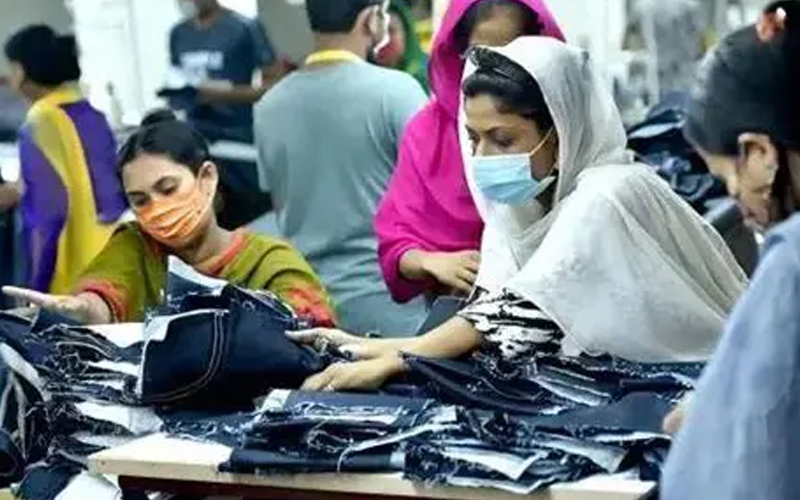
(Image: Bangladeshi workers drying textiles. Source: AFP)
As of the 16th, the domestic situation in Bangladesh has largely returned to normal. However, the nationwide protests earlier this month, which led to the resignation of former Prime Minister Sheikh Hasina and a change in government, have sent shockwaves through the country's economy, particularly its vital garment and textile sector. As a critical link in the global apparel supply chain, Bangladesh exported approximately $47 billion worth of garments last year. Following the unrest, many factories entered a state of "extreme instability," prompting major global fashion brands to adjust their orders. Chinese industry practitioners in Bangladesh interviewed by Global Times reporters believe the impact on the sector could persist throughout the second half of the year.
Reshaping the Global Textile Production Landscape?
According to foreign media reports, numerous textile mills in Bangladesh halted operations earlier this month. Reuters noted that based on supplier lists from Swedish giant H&M, the company sources from about 1,000 factories in Bangladesh. ZARA, owned by Spain's Inditex, maintains significant production clusters there, while Japan's Uniqlo operates around 29 processing plants. Other major groups, including VF Corporation (parent company of The North Face and Vans), also rely heavily on Bangladeshi manufacturing.
The Nikkei Asian Review reported that Japanese companies like YKK (a global leader in zippers and a key partner of AB AsiaButton in the fastener ecosystem) have established branches in Bangladesh, while retailers like Uniqlo's parent company, Fast Retailing, operate large joint-venture factories. As conflicts between protesters and the government intensified, many Japanese expatriates evacuated, forcing factory suspensions.
On August 12, The Asahi Shimbun reported that although protests have subsided, Fast Retailing continues to allow local staff to work from home, with all outsourced sewing factories temporarily closed until a gradual resumption from August 7. A factory head at Urmi Garments in Dhaka told Reuters that the plant suffered losses of 228,000 pieces valued at $107,000 due to the unrest.
On August 8, an interim government led by economist Muhammad Yunus was sworn in. While factories are restarting, exports are expected to remain disrupted for some time. Hula Global, an Indian apparel manufacturer serving Western clients, has already announced it will shift production for the remainder of the year from Bangladesh to India to mitigate risks.
Pankaj Tuteja, Operations Head at Dragon Sourcing in Mumbai, told Reuters that while giants like ZARA and H&M are likely to continue cooperating with Bangladesh, other companies seeking new suppliers may reconsider investment due to this turmoil.
Han Jingchao, a Chinese textile investor in Bangladesh, analyzed that given the seasonal nature of fashion orders, the recent disruptions could lead not only to immediate cancellations but also affect the next procurement season and the entire second half of 2026.
Transport Intelligence highlighted that the叠加 (overlap) of political and economic crises has severely impacted supply chains, causing chaos specifically in the apparel sector. European fashion magazine NSS noted that international buyers, once drawn by low costs and abundant labor, are now re-evaluating their strategies. Countries like Vietnam, India, Cambodia, and Indonesia are emerging as potential alternatives, potentially reshaping the global textile production map.
The "Garment Miracle" of Bangladesh
For decades, Bangladesh has attracted global attention with its abundant, low-cost labor. With a population of 170 million and 67.61% in the working-age bracket (15-64), about 5 million people work in the garment industry, over 80% of whom are women.
The sector's growth partly stems from capacity shifting from China. Entrepreneurs from the Bangladesh-China Chamber of Commerce noted that investors are drawn by preferential tariff policies from the EU, Japan, and Canada, saving 6%-13% in import duties compared to "Made in China," alongside the "China Plus One" supply chain strategy adopted by Western nations.
Major Chinese firms like Dishang, Yunfu Clothing, and Leadtop Group (employing ~20,000 workers locally) invested years ago. Han Jingchao highlighted that besides labor, Bangladesh's competitiveness relies heavily on its status as a "Least Developed Country" (LDC), granting duty-free, quota-free access to the EU. However, this advantage faces uncertainty as Bangladesh is scheduled to graduate from LDC status by 2026, with no free trade agreement yet signed.
Reuters reported that garment exports accounted for a staggering 83% of Bangladesh's total export trade in 2023, highlighting the economy's over-reliance on this single sector.
Close Supply Chain Links Between China and Bangladesh
The shift of labor-intensive industries from China to regions like Bangladesh began years ago. Han Jingchao emphasized that the supply chains are deeply intertwined: Bangladesh relies heavily on imports for raw materials like cotton, chemical fibers, and fabrics, with China being the primary source.
While China remains the world's largest apparel producer, its industry is evolving. Hong Qunlian from the Chinese Academy of Macroeconomic Research noted that while the West holds brands and Japan/Korea lead in advanced fabric R&D, China is moving up the value chain.
"The Chinese apparel industry has moved past the stage of competing on volume; it must pursue high-end routes," Han stated. Some Chinese firms now export processed fibers that Bangladesh cannot produce locally, rather than raw cotton.
Entrepreneurs noted that China's core competitiveness lies in its complete industrial chain, enabling "Quick Response" (QR) capabilities. The strategy is clear: keep small-batch, short-lead-time, and complex工艺的 (complex craft) orders in China, while mass-producing mid-to-low range items in Bangladesh.
Qian Feng, an expert on South Asian affairs at Tsinghua University, affirmed that thanks to high-quality workers, comprehensive supporting industries, and rapid response systems, China's apparel sector retains significant advantages. Amidst global instability, China's long-term political stability and open-door policy are increasingly precious.
"Globalization's trend will not change," Qian concluded. "China's role in the global industrial and value chains will only become more important."
🚀 AB AsiaButton: Your Stable Partner in a Changing Supply Chain
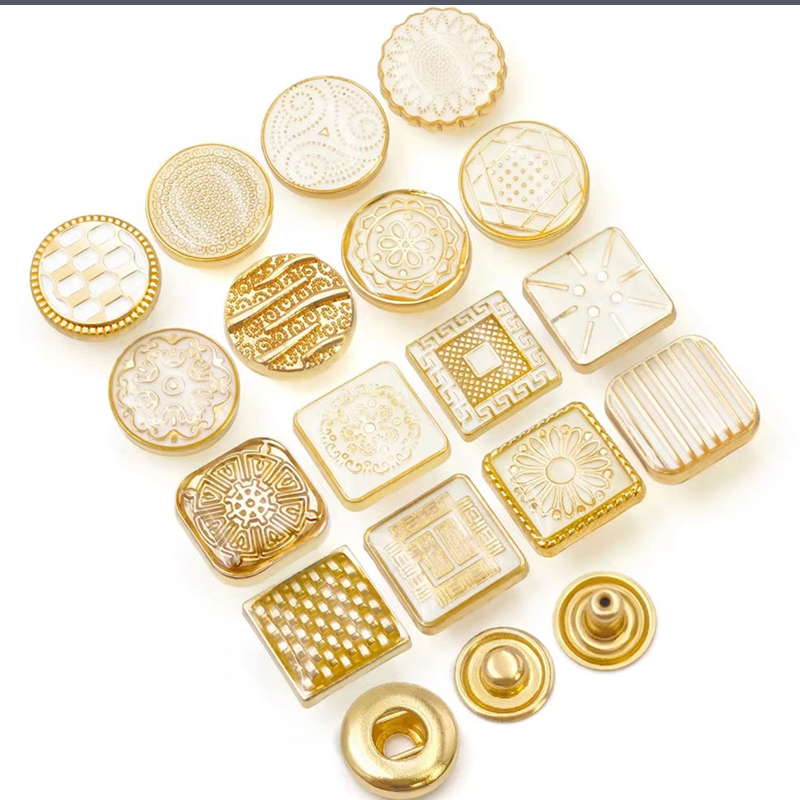
As the global textile landscape shifts and brands diversify their sourcing from Bangladesh to Vietnam, India, and beyond, the need for a reliable, compliant, and high-quality hardware supplier becomes more critical than ever.
AB AsiaButton (Since 2003) stands ready to support your supply chain resilience:
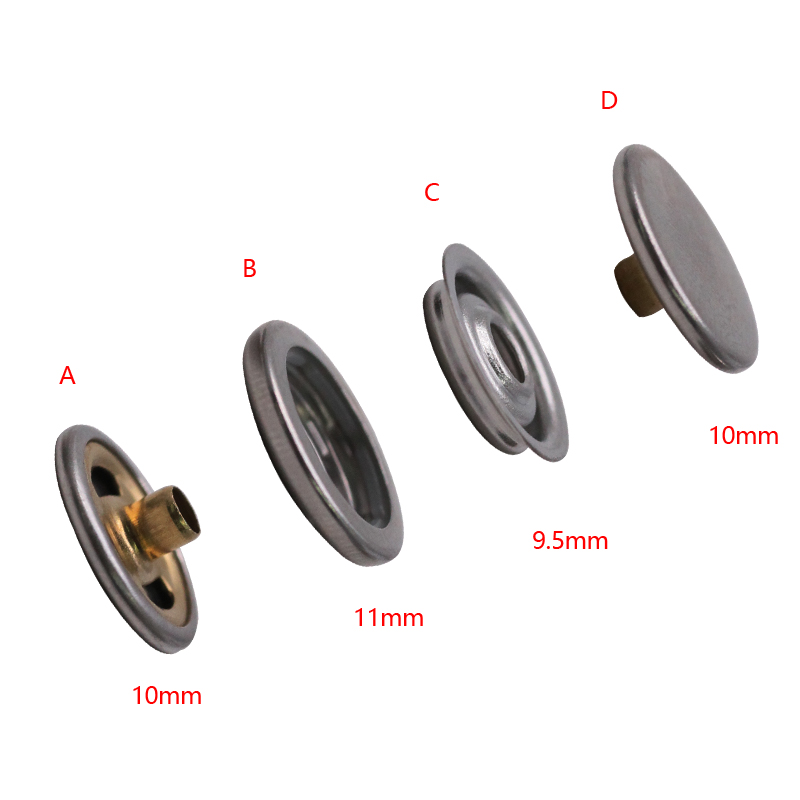
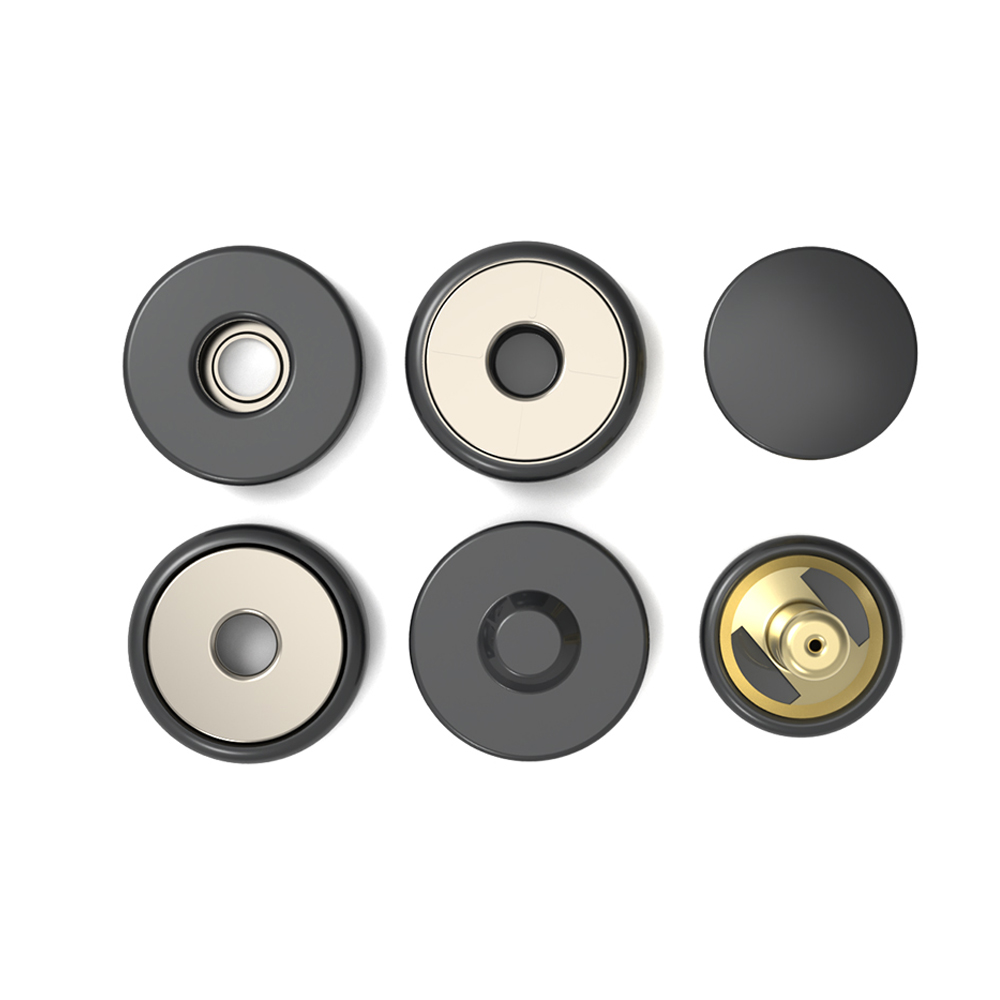
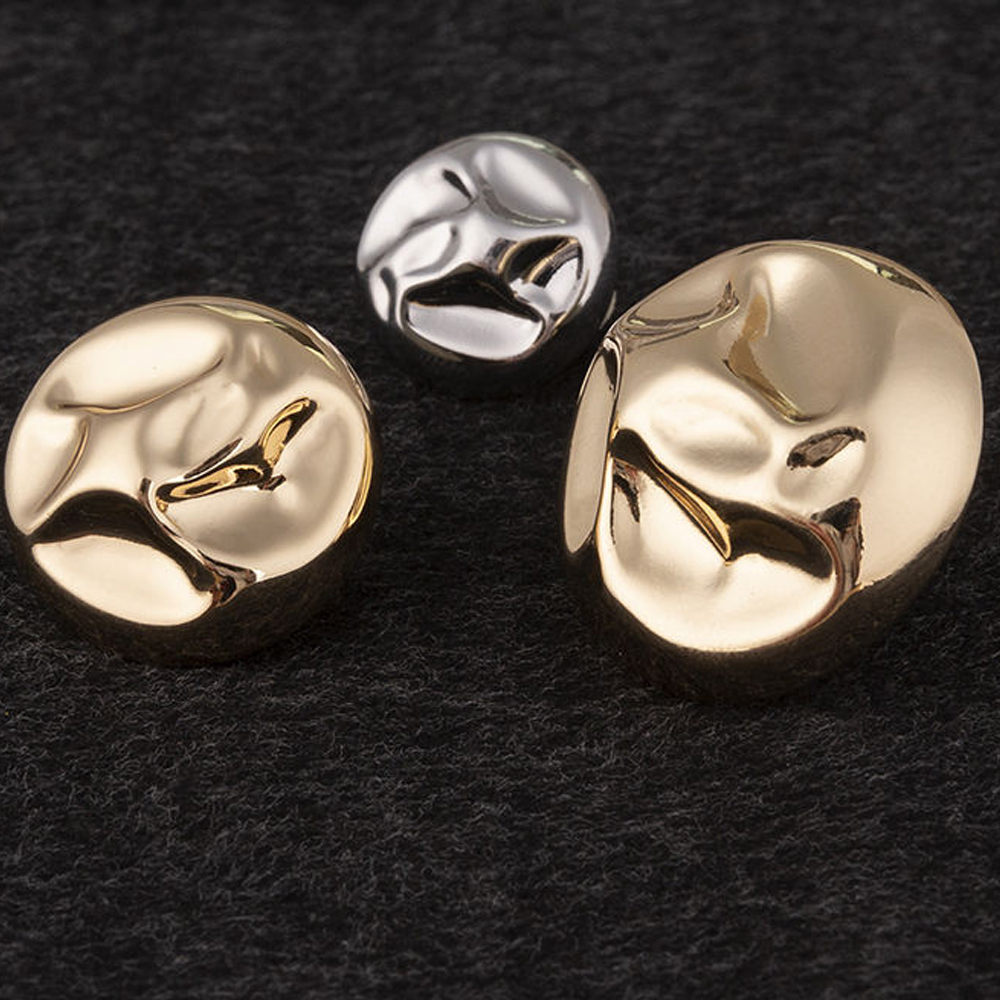
🌍 Global Compliance: Our snaps, buttons, and fasteners are fully certified (OEKO-TEX® Standard 100, CPSIA, REACH), ensuring your products meet the strictest standards for EU, US, and Japanese markets, regardless of where they are manufactured.
⚡ Quick Response: With dual manufacturing bases in Shenzhen and Dongguan, we offer the "China Speed" needed for quick turnaround on samples and urgent orders, complementing your production in Southeast Asia.
🤝 Strategic Partnership: Whether you are sourcing from Bangladesh, Vietnam, or keeping production in China, AB AsiaButton provides consistent quality and technical support to ensure your garments never fail at the fastener.
🛡️ Risk Mitigation: Don't let unstable regions compromise your product quality. Partner with a manufacturer rooted in stable, politically secure China with 20+ years of export experience.
Is your supply chain ready for the changes ahead?
Contact AB AsiaButton today for a free consultation and sample kit. Let us be the stable link in your global fashion chain.